In the early stages of a baby's development, they are called pre-verbal. This may be interpreted as saying they are too young to have conversations with an adult. As they are born with the universal language, you can even speak multiple languages with them. Creating experiences that only the mother/caregiver can provide is the key to teaching a baby. Mamaestra believes that early language stimulation is more important than any other stage of life, so we created content to help moms create language activities at home.
If your baby is not a baby anymore, explore my other courses.
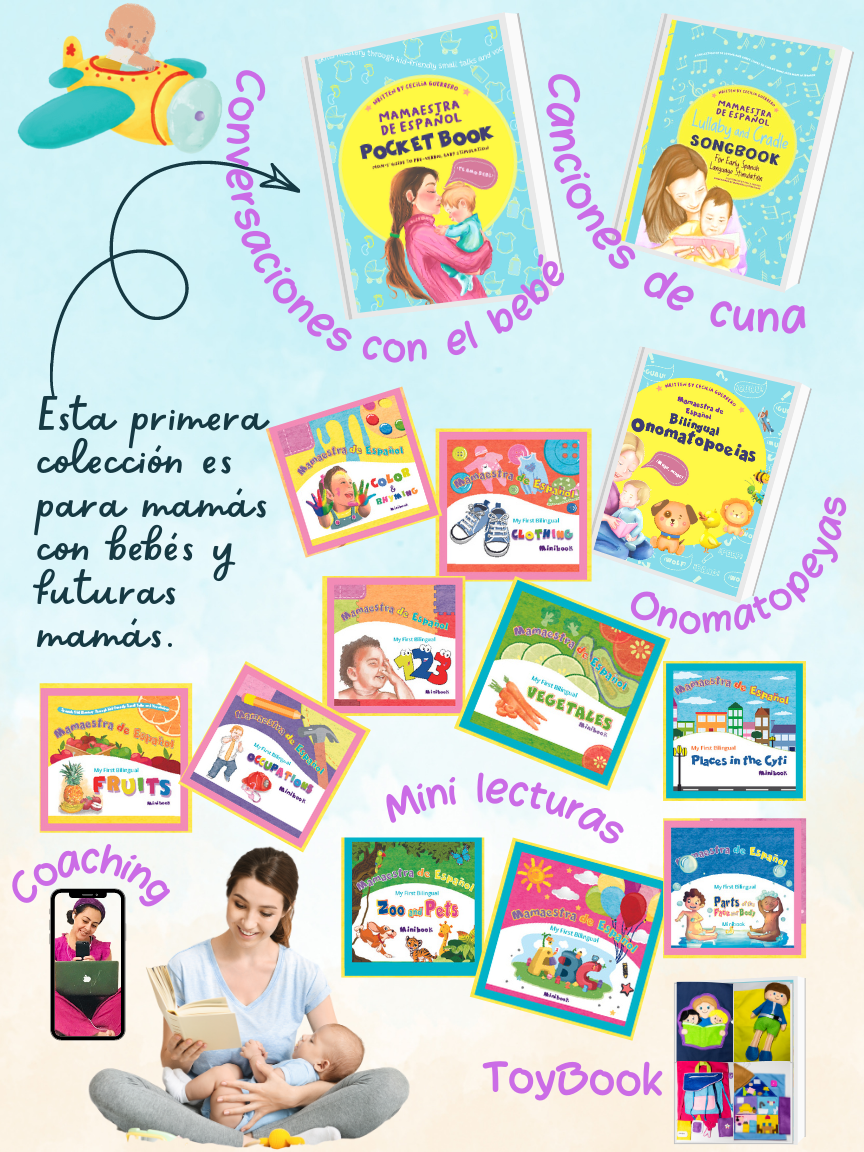
In Mamaestra's "baby-level" classes, you will learn some Mamaestra´s lullabies and vocabulary tailored specifically for the first year of life.
We developed 50 songs and vocabulary to help you and your little one get through the day in Spanish. If you do not speak Spanish, we will review vocabulary, pronunciation, and practice enough so you can apply it correctly at home for the week.
Our 30 minute class process will teach you how to interact with your baby using conversations, hand gestures, games, that soon will be mimicked and produced on their own.
What are you waiting for?
We will use the Mamaestra PocketBook and the Mamaestra Cradles and Lullabies Songbook, Mamaestra Toybook, Mamaestra 10 Minibooks. There will be vocabulary with English translations. The songs will focus on the same things from the pocketbook that are important to your baby (sweet words, body parts, family members, food, toys, animals, bedtime, etc.) as well as saying when your baby rolls over, crawls, stands, or walks.
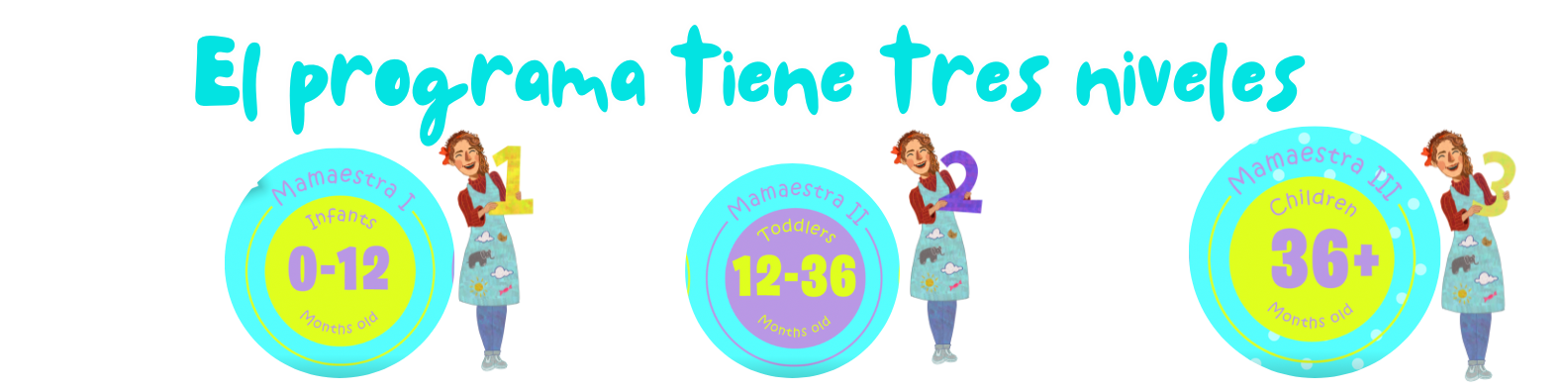
The second year of bilingual language development is about pushing the Spanish a little bit more from the the early verbal stage. In this level, we will move into language imitation and production.
The first level (Mamaestra Baby) of stimulation will enable you to:
1) Imitate speech sounds such as "ma, ma, ma", "da, da, da", "pa, pa", "ta, ta".
Say a few words, such as "papa," "mama," "tete," "meme," and "pato."
3) Understand simple instructions, such as "Ven acá", "Dame" and "Toma."
4) Recognize words for common items, such as "zapato", "frutas", "biberón", "manta", "parque", etc.
5) Imitates actions like clapping, kissing, dancing, etc. Like "dame un beso", "dame cinco", "bravo (for clapping)", etc.
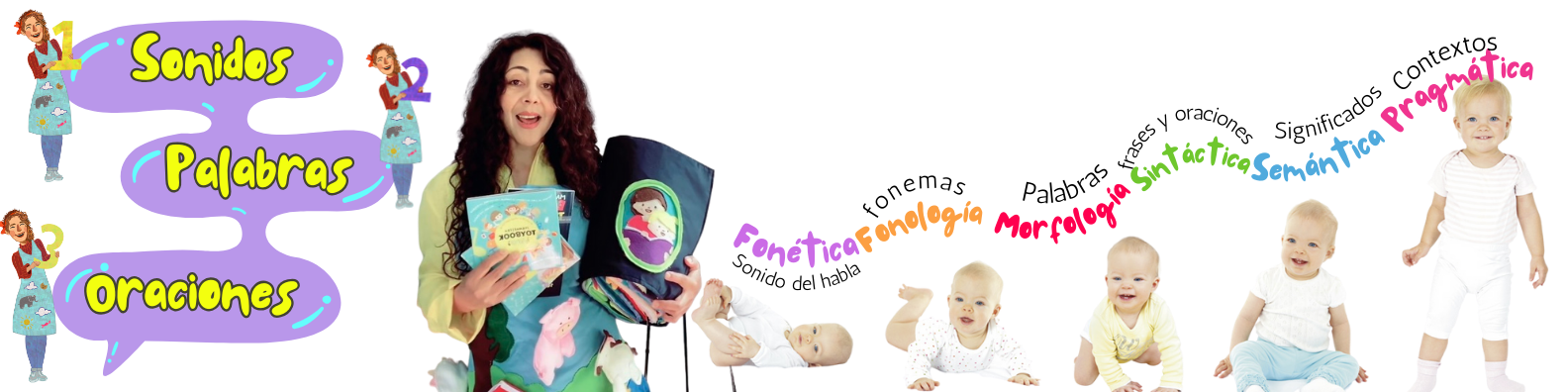
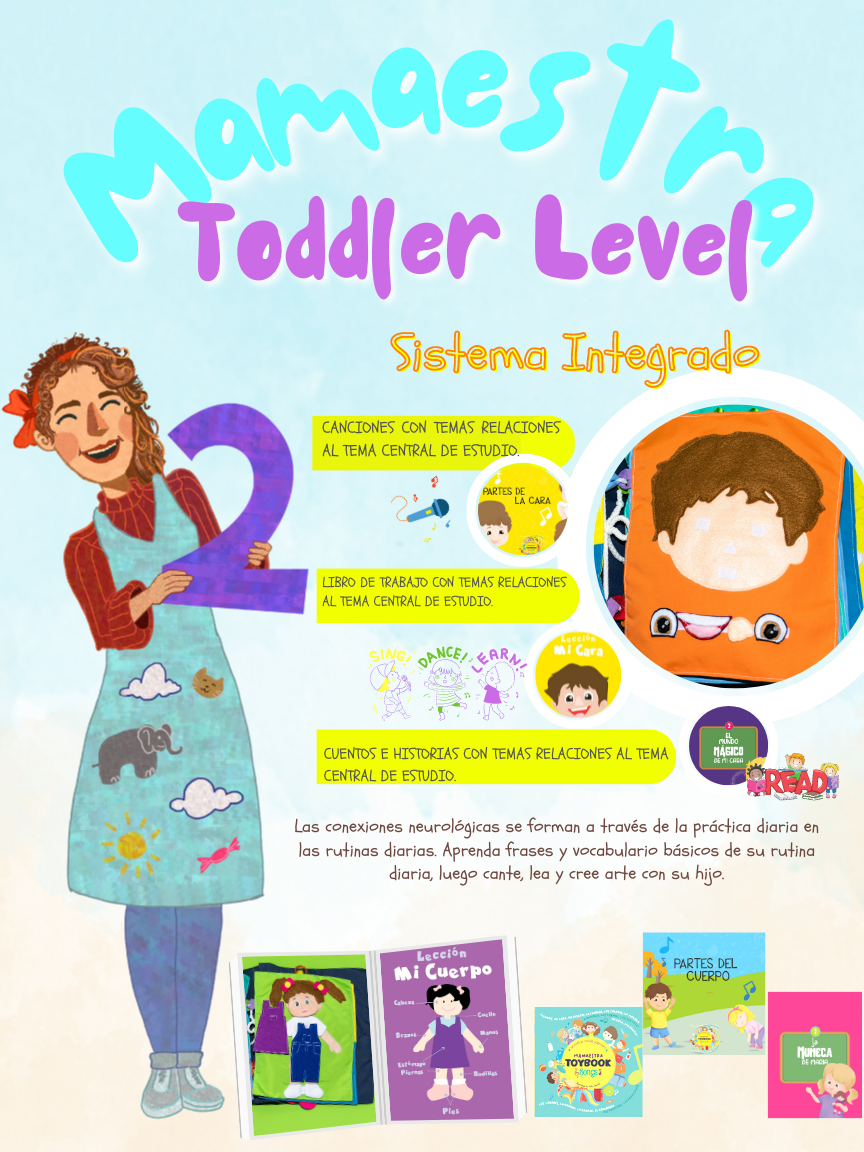
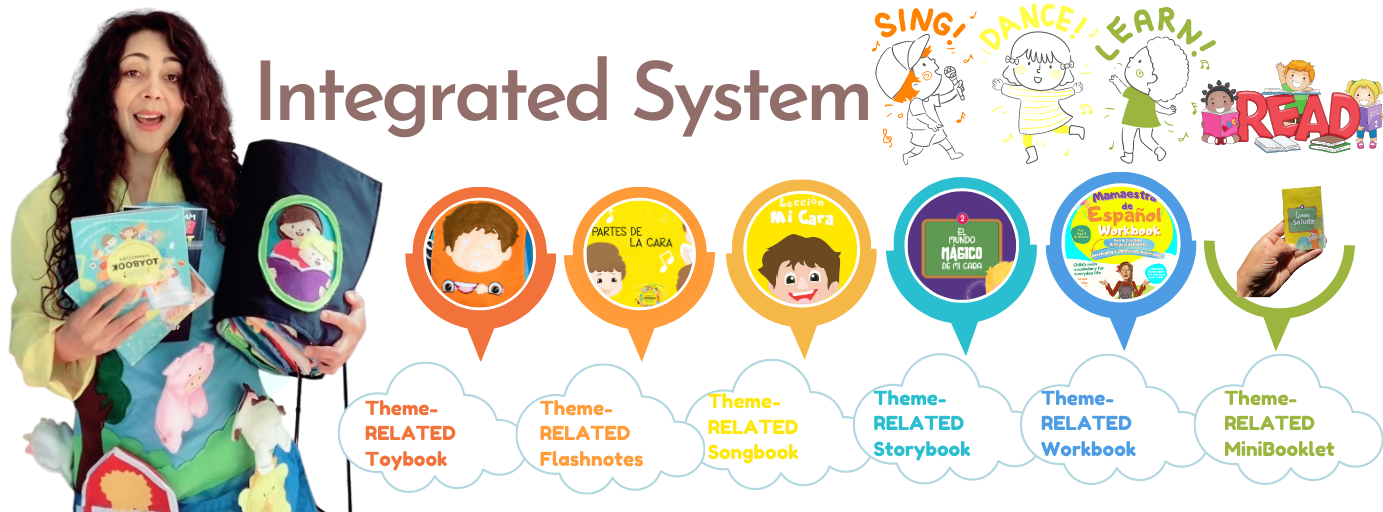
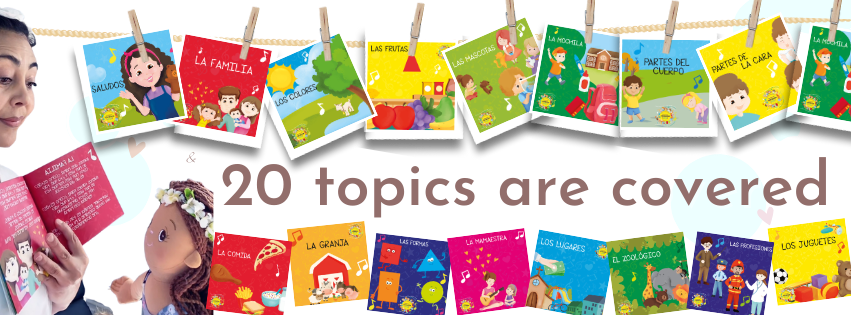
This course incorporates hand motions, body movement, active fun games, and Mamaestra's zumbita-moves for dancing to some great beats and rhythm. As part of this course, you will work with the TOYBOOK to introduce very useful and relevant vocabulary such as farm animals, zoo animals, colors, shapes, numbers, etc. (20 topics). The vocabulary is incorporated into a new songbook called the toybook's songbook, that's more fun, more active and contains more Spanish vocabulary. The same vocabulary is used in small stories in the storybook, and finally, the same vocabulary previously studied is used in a workbook as well.
A teacher-author leads the parent in this 30-minute session in how to engage the child with our Mamaestra material through games, music, and language activities, and then the caregiver transfers this to the child (this is the Mamaestra concept).
Our Goals By the End of 24 Months
Recognize names of familiar people, objects and body parts: ¿Qué es esto?
Your child will combine words and gestures during this stage such as waving for "bye-bye/hello".
Develop comprehensive vocabulary of more than a 100 words.
Expressive language of 50+ words.
Exprese verbally 10 small two-word phrases like “mamá, dame”, “mamá, toma”, “mamá, agua”, etc. Maybe even three words like “Mami, dame guagua“. Although the way he talks about him is constantly becoming clearer. YOur role is to be an interpreter or translator because using the same word is used for many similar things, such as “guagua” when referring to water, milk, or juice.
Imitates everything they hear, “banana” even if he can't yet pronounce them or understand their meaning, “nana,” “manzana”,“nana.”
Expressions with pitch changes. Your might raise his voice at the end of a question. He also practices the intonations when he babbles, which at this stage sounds like a real conversation in another language!
Eventually, your child will be able to make more consonant sounds (including p, b, t, k, and g) as his ability to coordinate his lips, tongue, and teeth improves.
It doesn't take him long to learn how powerful words like “Mami”, when he wants attention, or “no/ti(si)! ” when he doesn't want something.
In these early stages, children experiment with the use of personal pronouns (I, yo- you, tú -he, él - she, ella etc.) and possessive pronouns (mine, mío- yours, tuyo- his, suyo etc.). Grammar and memory will constantly improve. It is usual that at 4 years most of these grammatical errors disappear.
Now let's talk about Mamaestra III. This is the last part of the Mamaestra Program. If you have followed the Mamaestra programs I and II, your child should have mastered 100 words or more by now. They might be able to answer with short questions like: ¿Qué es esto?, ¿Dónde está…?, ¿Cómo se dice?, ¡Toma!, ¡Dame!, ¡Vamos!, ¿Quieres? It indicates that they are developing great listening and understanding skills. There are times when children make small sentences, like: “you quiero”, “me gusta”, “no me gusta”/ “I want”, “I like it”, “I don't like it”.
Check the below courses if your child is older.
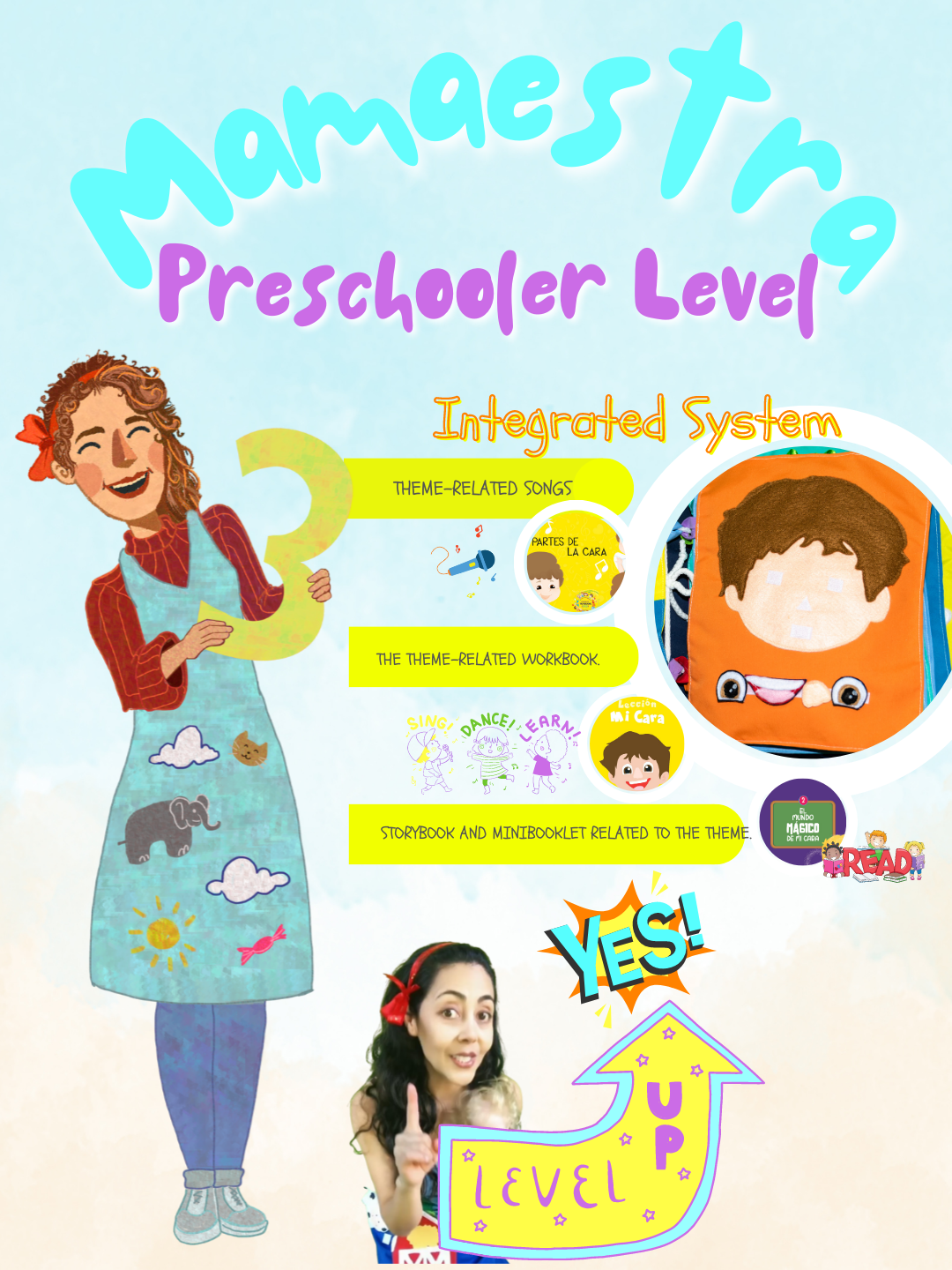
In this course Mamaestra III, we will use a workbook, songbook, storybook, and toybook in this course. This project will involve making interactive short readings and answering simple questions about them. We want at this level, to use more than a word, e.g.
-Mom: ¿Quieres agua or leche?
-Child: Leche. (In this level we want a child to answer with a complete sentence: “Yo quiero leche” o “Yo no quiero leche, yo quiero agua”.
We will help to develop some complex phonemes (“g”, “f”, “s”, “r”, “l”, “ch”), also we will work on rhymes. We will also approach some letters and numbers. Ready for school.
Through our exploration, we will help your child develop fine motor skills with daily actions and playtime activities involving grasping, holding, and pressing.
Our Goals By the End of 36 Months
- The child will using words you didn't even know he knew! That's because he'll learn the words and phrases he hears adults use, and figure out how to use them himself.
- He will be able to actively listen to conversations for anywhere from 3 to 5 minutes, so this is a great time to take advantage of small talk to boost his speaking and social skills.
- Young children this age can answer simple "what" and "where" questions, and even answer questions like ¿Cuántos años tienes?", "¿Cómo te llamas?", "¿Quién es tu mamá/papá?"
- They will have early literacy skills by describing characters from your favorite book, or answering questions about the story.
- They begin to use attention-grabbing words like "Hey!" or "Look!"/«¡Oye!» o «¡Mira!» when he sees something exciting that he wants to share.
- One of the most exciting parts of this phase is that others will be able to understand about 75% of what you are saying. His big boy voice is starting to take shape and he's ready for the world to hear.
- He can join an ongoing conversation with a relevant question or statement. In general, there will be a noticeable increase in their enthusiasm for interacting verbally.
They will be able to describe actions or objects more clearly, and begin to tell stories with themes.
You'll also hear him combine phrases with nouns and verbs ("Like a big cookie!")(«¡Como una galleta grande!») which gradually lead to longer sentences. You will ask simple “who”, “when” and “how” questions and answer simple “why” questions.
Although his vocabulary is expanding at the moment, he will still pronounce some words in a disjointed way (for example, saying "ti" instead of "yes" or "sabo" instead of "sé").
He will be eager to use his new words, play word or alphabet games, and ask lots of questions. He will begin to pronounce f, s, and y more clearly. Shorter word versions will also start to disappear (saying "shoe" instead of «zapato» en lugar de «pato»).
Schedule
This level will have the following schedule.
Mon-Fri Afternoons | Saturday Mornings | Saturdays Afternoon |
|---|---|---|
5:00 - 5:30 | 7:00 - 7:30 | 3:00 - 3:30 |
6:00 - 6:30 | 8:00 - 8:30 | 4:00 - 4:30 |
7:00 - 7:30 | 9:00 - 9:30 | 5:00 - 5:30 |
$25 dollars per session
The cost is $250 for 10 sessions per class via Zoom. Once payment is made, we will schedule the sessions at your convenience.
Check Out Our Blog
Our work is supported by the following information
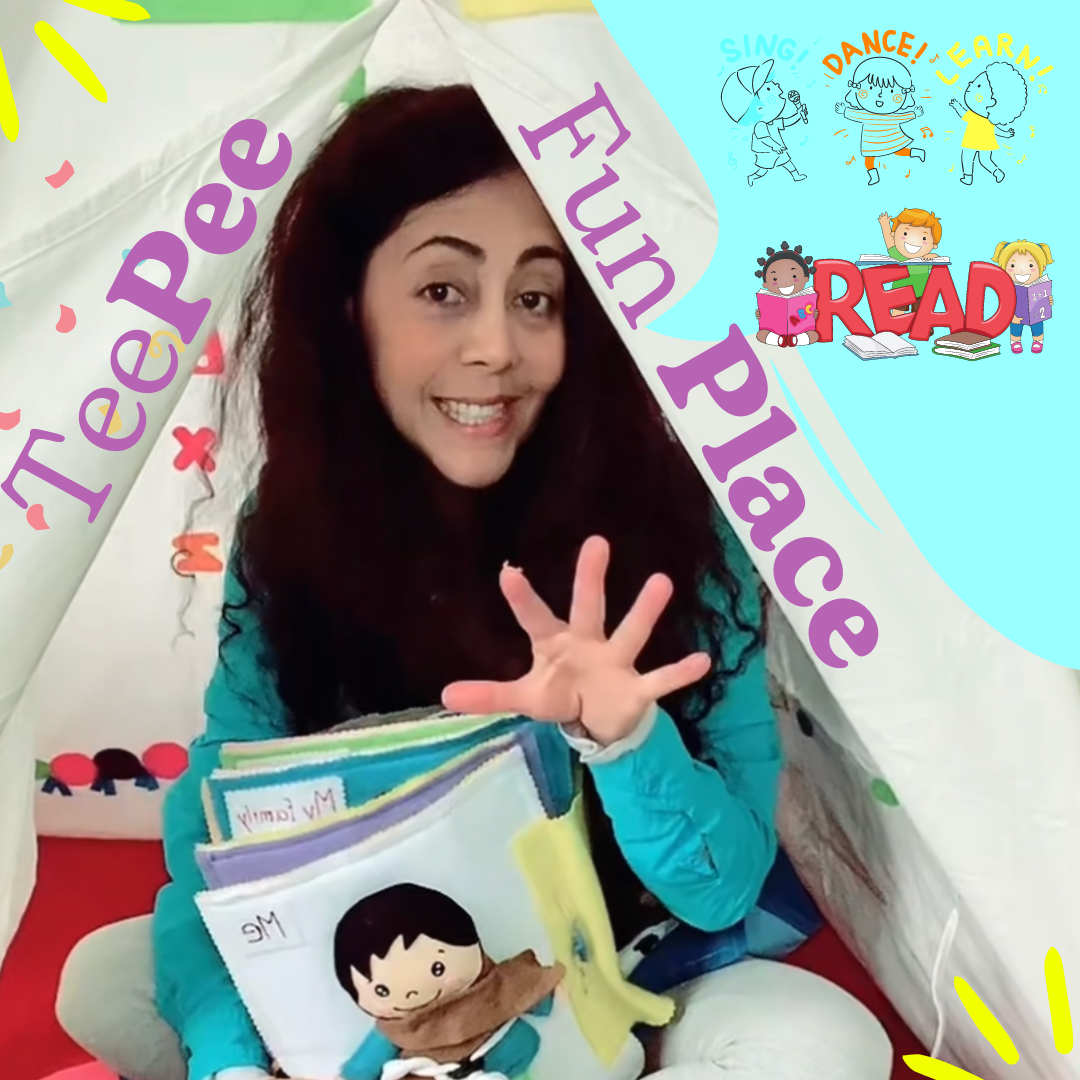
The Mamaestra Teepee - corner
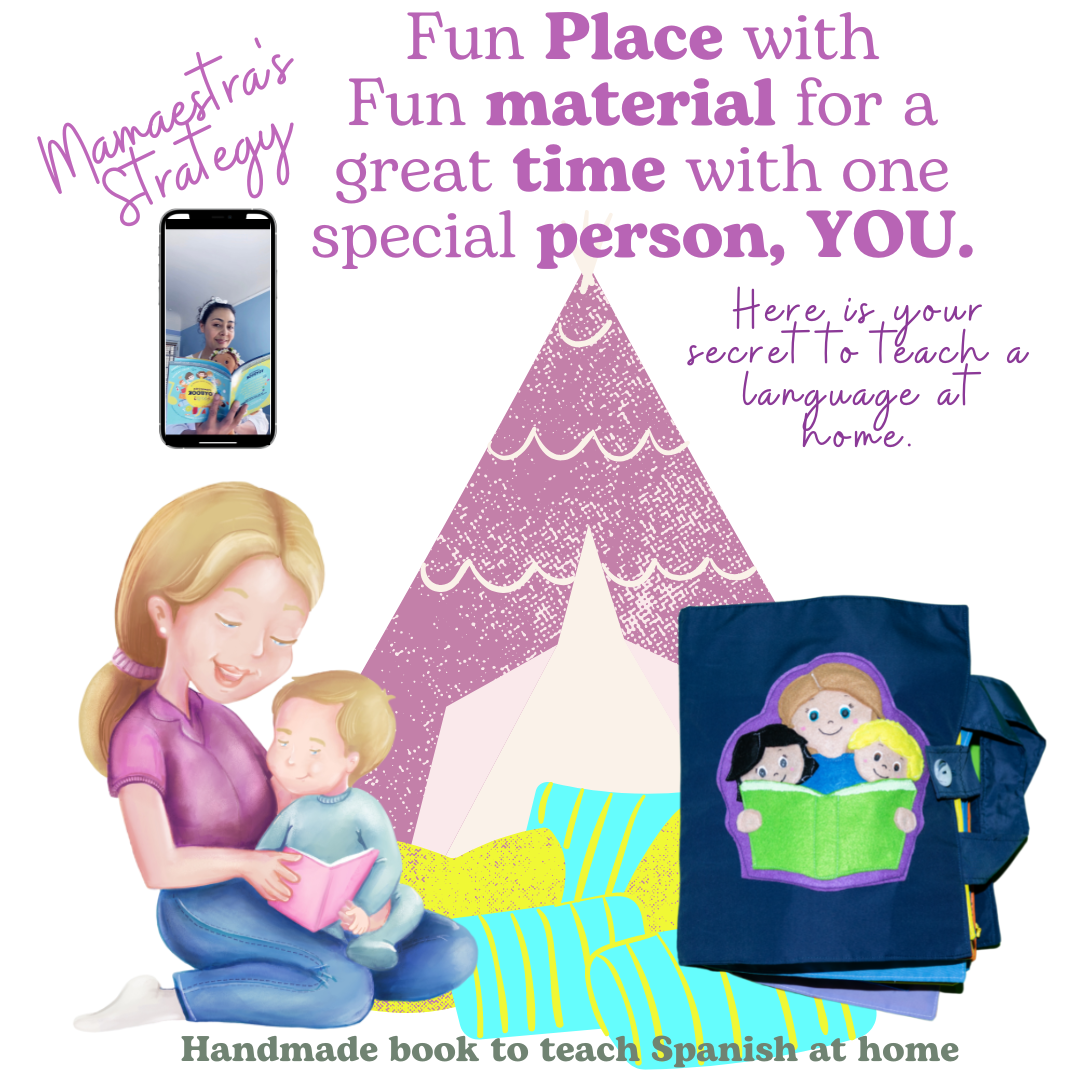
Mamaestra Strategies
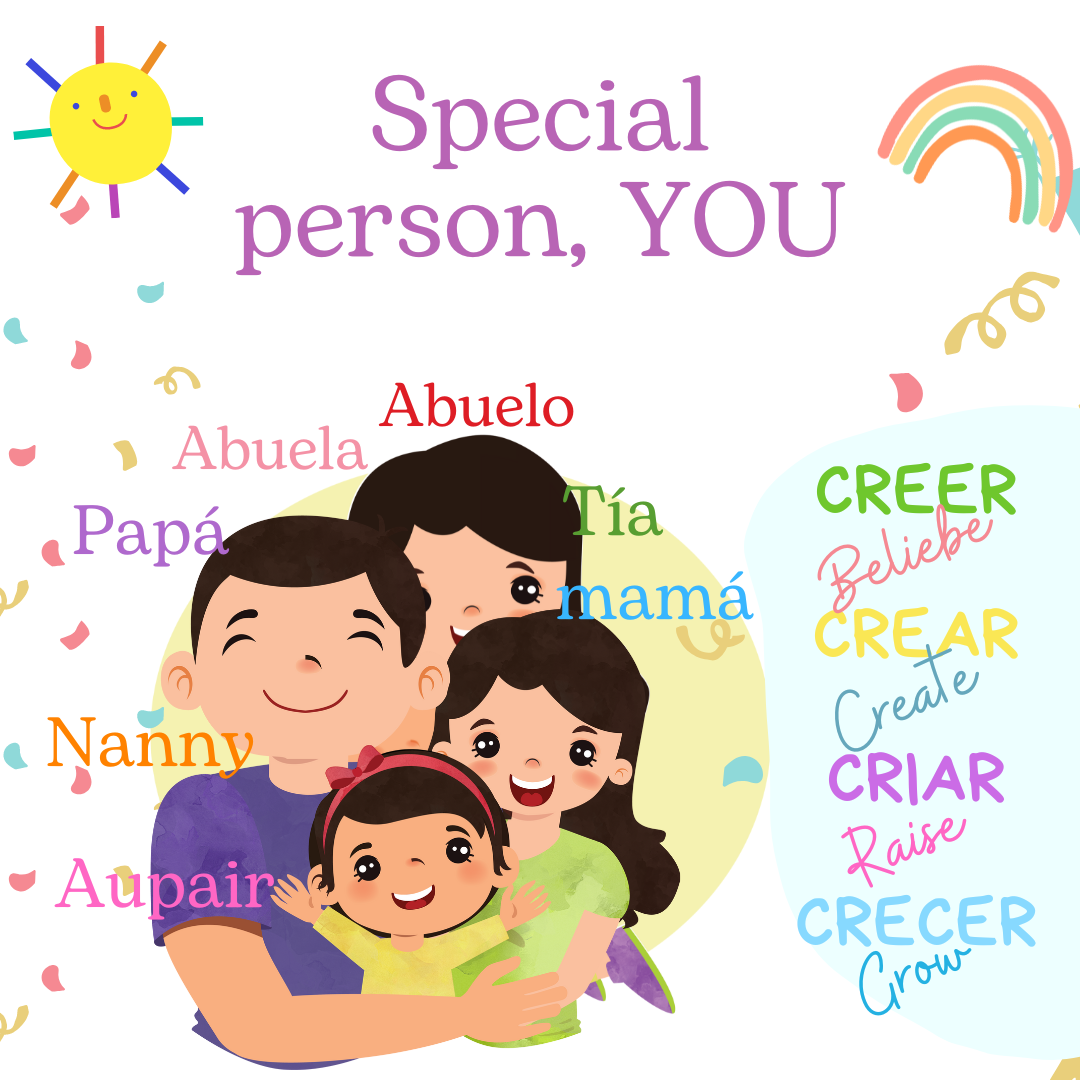
Mamaestra Scientific Foundations
Do you want to be part of our club?
Join to our group!